Cemetery Lettering
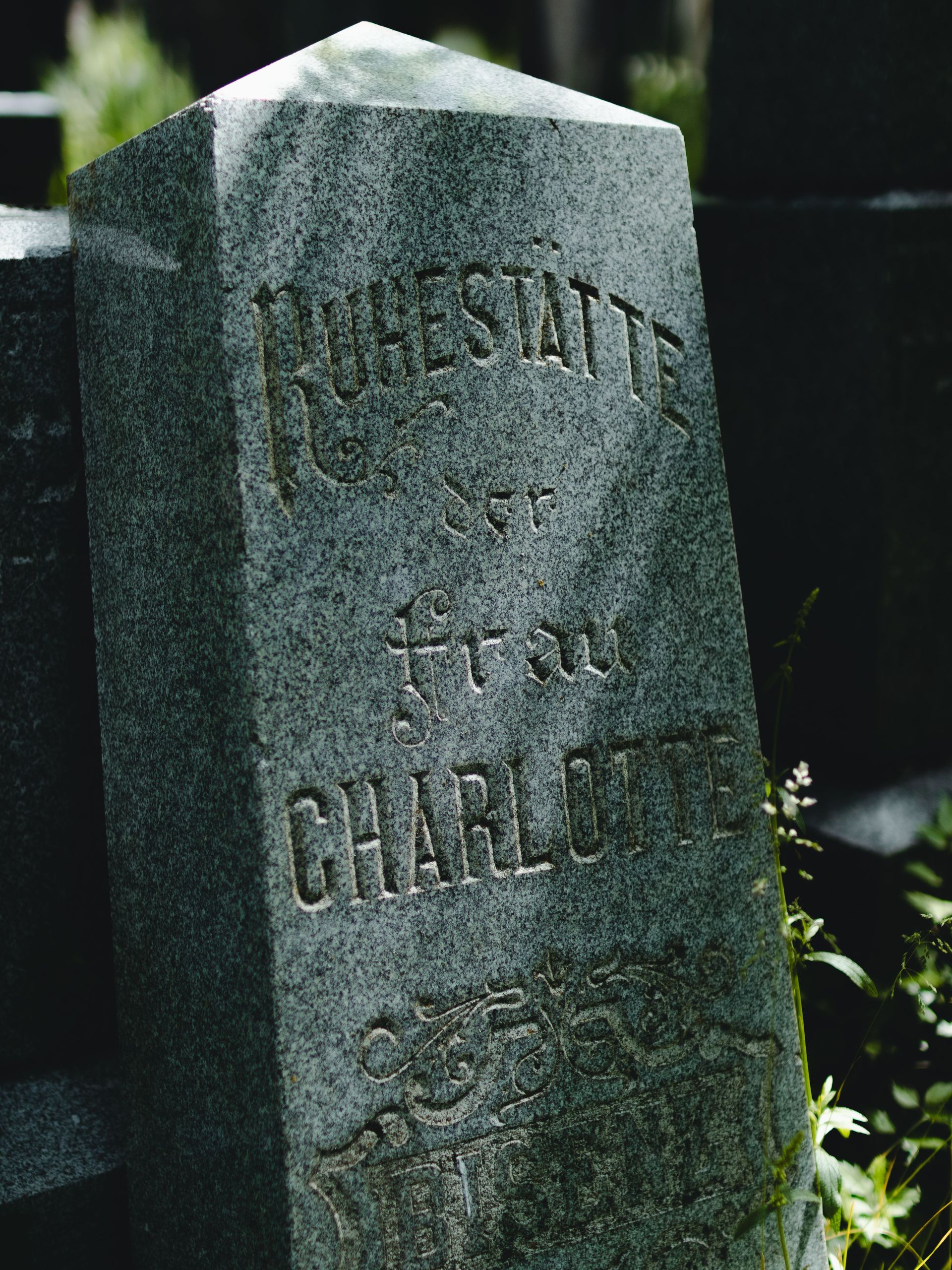
Cemetery Lettering at Knutson Cemetery Lettering focuses on precision engraving, restoration lettering, and lettering maintenance for grave markers, monuments, and memorial walls. Lettering is the core of any memorial — it communicates identity, dates, relationships, and legacy. Our cemetery lettering service ensures those words are carved, painted, or inlaid in a way that remains readable and respectful through changing weather and time.
Joshua 4:24 — "This is so that all the peoples of the earth may know that the hand of the Lord is powerful and so that you might always fear the Lord your God."
WHY CHOOSE KNUTSON Cemetery Lettering
family-owned
10+ years industry experience
experience Monument background
accurate font matching
fast turnaround
free estimates
Cemetery lettering carries legal, emotional, and historical weight:
Legal/record significance: Dates of birth and death are official records that survivors and historians rely on.
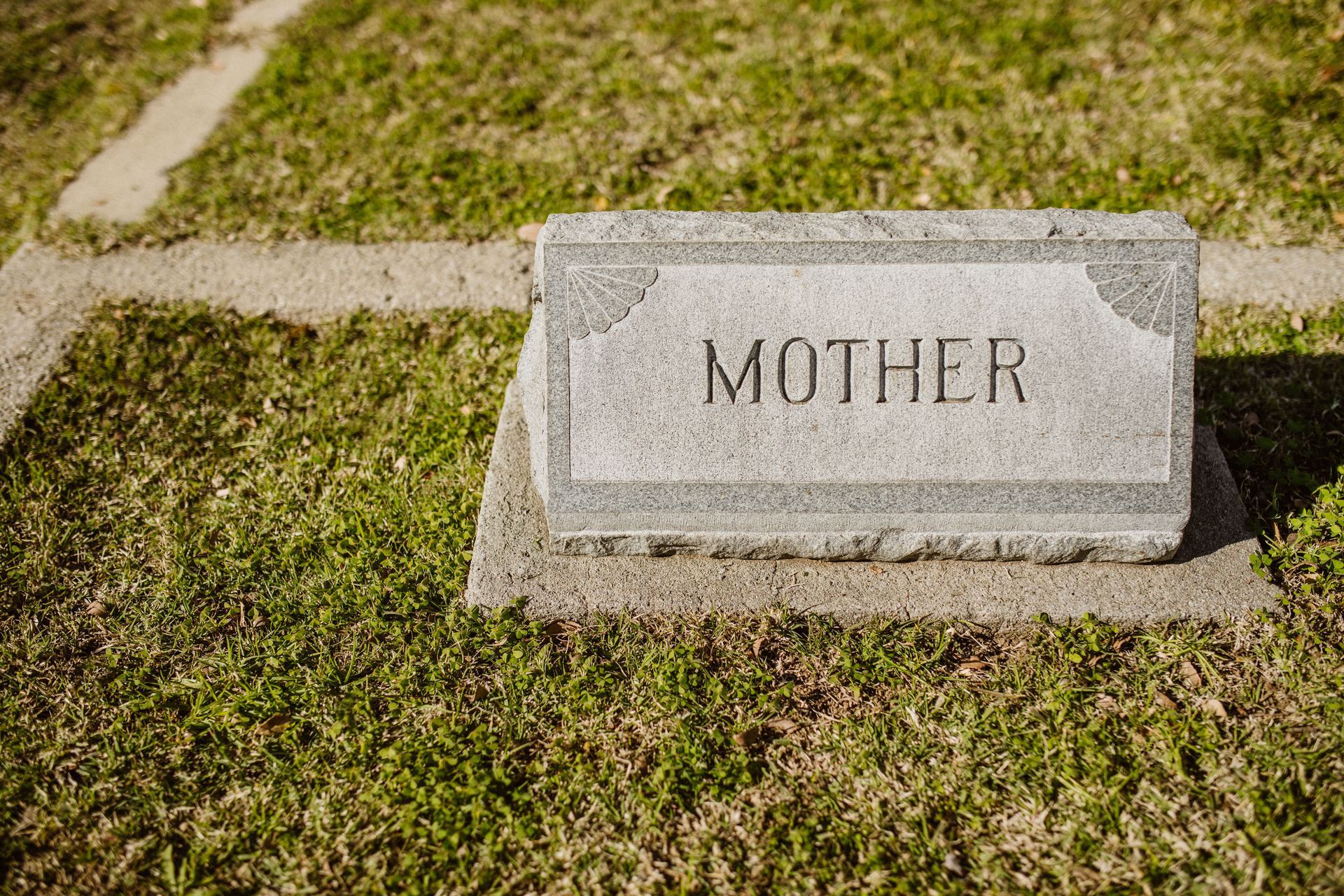
Emotional value: The words on a monument encapsulate memories, roles, and connections—husband, mother, veteran, teacher.
Heritage preservation: Proper lettering helps preserve community history and family genealogy.
Practicality: Clear letters reduce the need for frequent restoration and maintain dignity at gravesites.
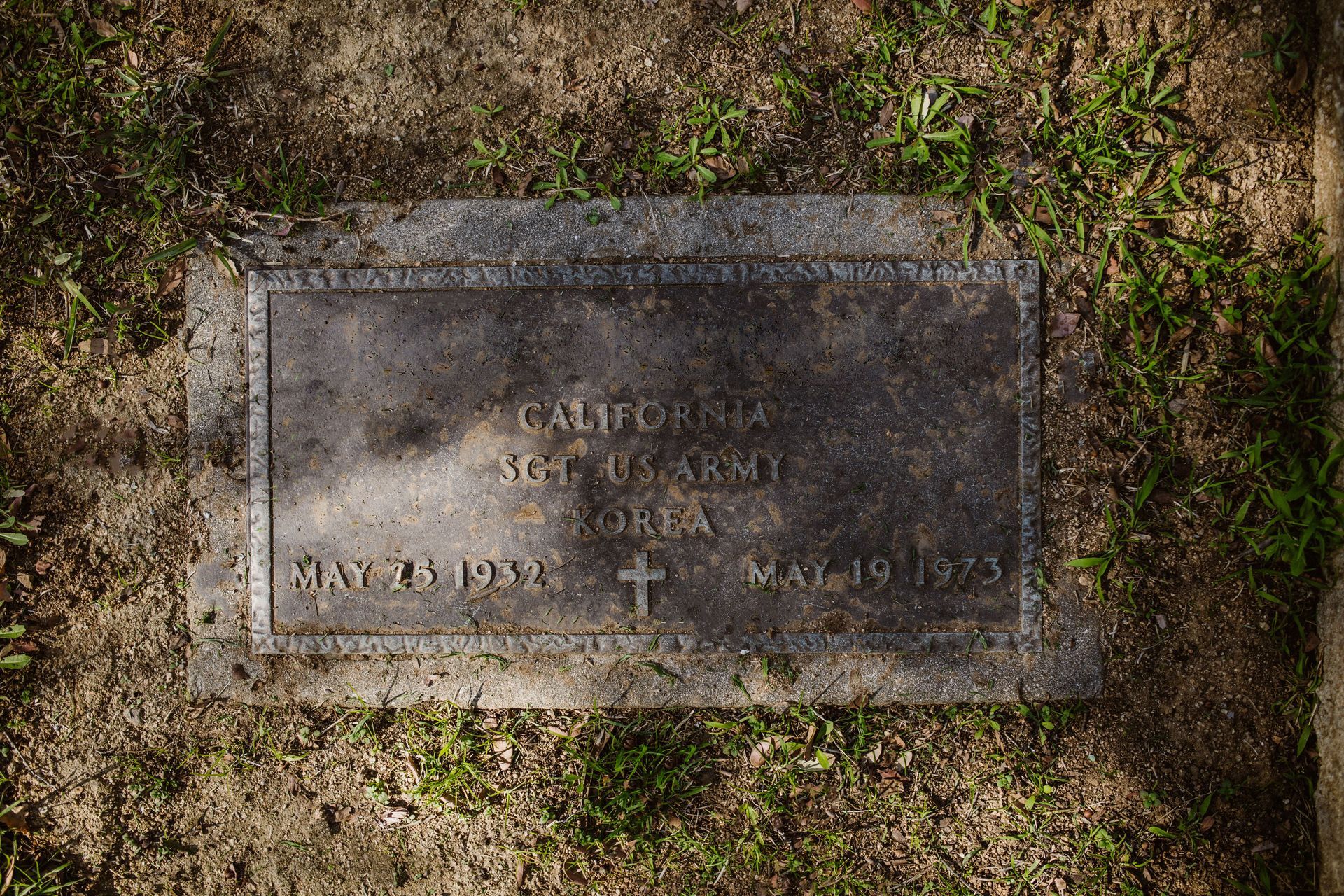
Granite: We commonly use sandblasting with custom stencils. Sandblasting produces consistent depth suitable for granite’s hardness. For fine detail, diamond tooling is used.
Marble: Marble is softer and requires gentler carving methods to prevent spalling. Hand-lettering or controlled tooling ensures longevity without damage.
Composite and manufactured markers: Methods are adapted depending on the surface; often we use mechanical or hand tooling.
Materials and techniques we use
Choosing the right method depends on the stone:
Lettering finishes and contrast options
To ensure readability and aesthetics, we offer:
Painted lettering: High-quality, weather-resistant paints formulated for monuments in classic colors like white, gold, black, or custom hues.
Epoxy inlay: Inlay materials for a recessed, long-lasting finish with strong contrast.
Polished relief: For raised lettering or polished surfaces, we finish with a high contrast polish that remains visible without paint.
Antiqued finishes: For older or historical stones, we match the original look with subtle aging patinas.
Common cemetery lettering needs we address
New lettering for recently purchased monuments
Additional lines for spouses, children, or secondary inscriptions
Correcting errors on existing inscriptions
Repaint and inlay work for enhanced legibility
Cemetery rule-compliant lettering for size, depth, and content
Restoring historical markers to readable condition
Design considerations and best practices
- Font selection: We guide families toward fonts that balance personal preference and legibility. Serif fonts often read better at larger sizes; sans-serif can be clean for modern designs.
- Letter depth: Deeper cuts last longer; we typically recommend a minimum depth suitable to the stone and expected exposure.
- Line spacing and layout: Proper spacing prevents letters from crowding and makes lines easier to read at the gravesite.
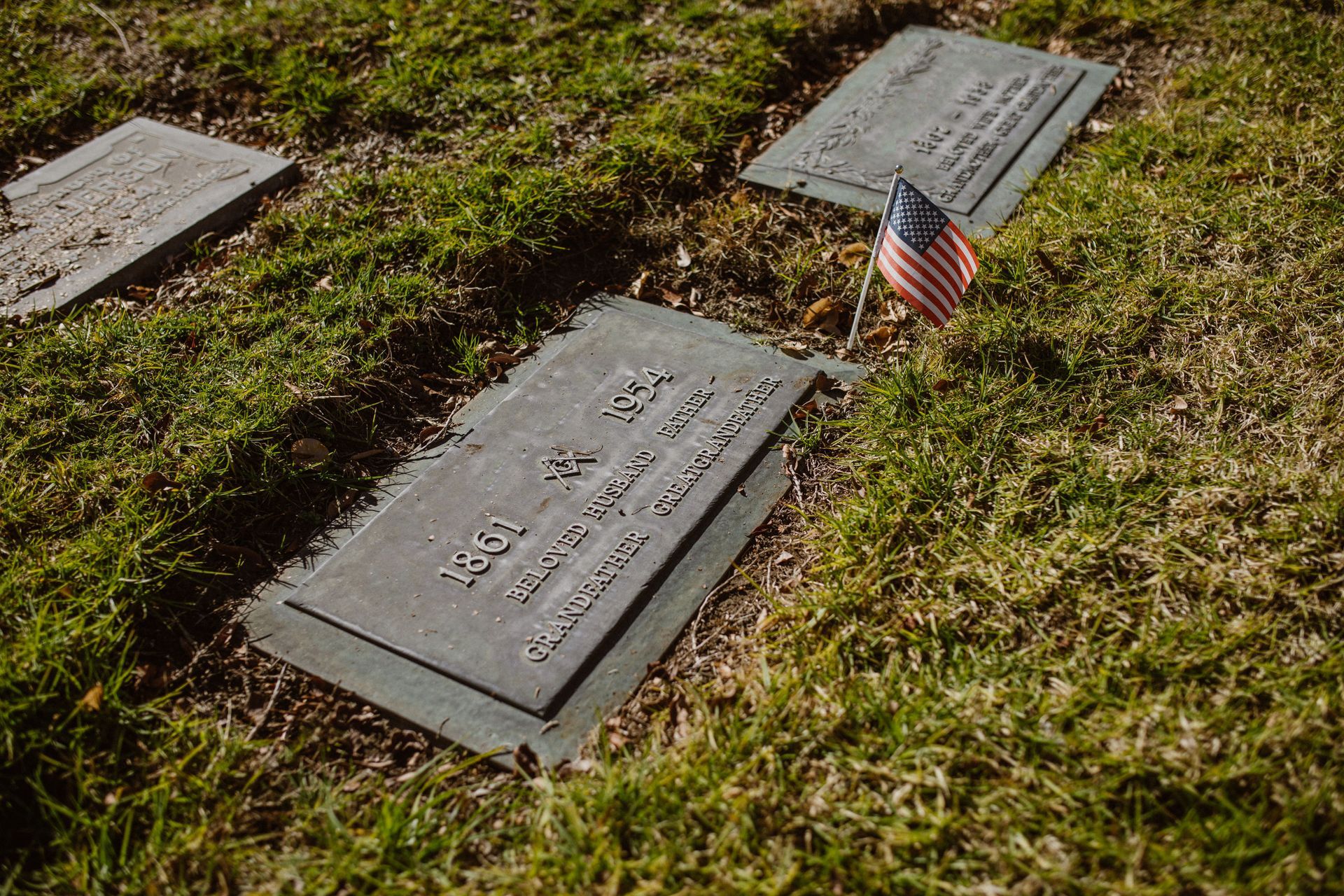
- Symbol placement: We accommodate religious symbols, military insignia, and small artworks while maintaining balanced design.
Pricing and quotes
Prices vary by stone size, letter count, material, and whether work is performed onsite. We provide a written quote after assessment and proofing. Quotes include design, materials, labor, and any necessary travel or permit coordination.
Step-by-step cemetery lettering process
1. Initial contact and documentation
Call (620) 888-5084. Provide photos of the stone and any cemetery guidelines.
2. Assessment
We measure the stone and determine condition and material.
3. Proofing
A visual proof with font, spacing, and placement is prepared. You approve the proof before work begins.
4. Execution
We perform lettering in our workshop when possible, or onsite if permitted, using the method best suited to the stone.
5. Finishing
Paint, inlay, or polish is applied and allowed to set.
6. Verification
We confirm with the family or cemetery manager that the work meets expectations.
Care, maintenance, and preservation tips
- Regular gentle cleaning: Use soft brushes and stone-safe cleaners to remove biological growth and dirt.
- Avoid harsh chemicals and power washing which can erode inscriptions.
- Periodic touch-ups: Repainting or inlay repairs every few years can keep lettering crisp.
- Protective policies: Some families choose a scheduled maintenance plan to preserve monument integrity.
Why Knutson Cemetery Lettering is the right choice
- Local expertise in cemetery standards
- Accurate, respectful workmanship by experienced engravers
- Clear proofs and transparent communication
- Workmanship guarantee and follow-up support
Frequently asked questions (FAQs)
How long does cemetery lettering last?
With proper depth and finish, lettering on stones like granite can remain legible for decades. Painted letters may need touching up over time; epoxy inlays and deep cuts last longest.
Can you add an inscription to a stone that is already in a cemetery?
Yes, we commonly add names, dates, and short inscriptions to stones in-place, provided the cemetery permits onsite work and the stone’s condition is stable.
How do you ensure the lettering matches the existing stone?
We analyze font, size, depth, and the color of existing paint or inlay, and we prepare a proof showing the match. When exact matches are not possible due to weathering, we work toward the most visually consistent result.
Do you work with funeral homes or cemetery administrators?
Yes. We coordinate with funeral homes and cemetery managers to confirm regulations and streamline approvals.
Contact and next steps
To arrange cemetery lettering or request a free estimate, call (620) 888-5084. We respect your timeline and provide compassionate service during every interaction.
Knutson Cemetery Lettering: experienced cemetery lettering professionals dedicated to preserving memory with clarity and care.